Free gardening gloves when you spend $75.00 or more!
Description
Buy Lady Ferns
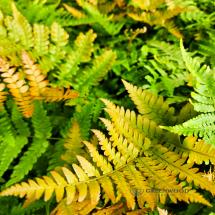
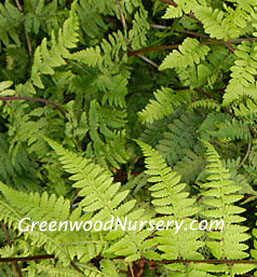
Lady Ferns have yellow to medium green fronds with feathery blade pairs. The upper blades of the this lacy fern are long-tapering and ascending. Plants spread slowly to form dense clumps. Under the right conditions Lady Ferns will continue to send up new fronds well into the summer months.
Available as potted plants and bare root ferns.
How to Grow:
Lady ferns are one of the easiest ferns to grow.
Athyrium felix-feminand prefer to be grown in part to full shade in average to rich, moist but well-drained soil that is neutral to slightly acid. Older plants can be divided and transplanted in spring and early summer, planting the crown at the surface.
Landscape uses: Plant lady ferns in woodland gardens, shade gardens, with hostas and other shade plants, or with large flowering plants and shrubs.
Shipping
Lady Ferns are available as:
- 3.5 inch pot - Sold Out
- Bare Root - 1 Order Contains 5 Tubers
Plants shipping to CA and AZ addresses will be bare rooted before being prepped for shipping.
- Category: Perennials, Perennial Plants, Ferns
- Plant Type: Deciduous
- Light Requirement: Partial, Full Shade
- Soil Condition: Moist, Wet
- Mature Height: 2 - 3ft
- Growth Rate: Fast-Growing
- Planting Zone: 4, 5, 6, 7, 8
| Quantity | 1 - 4 | 5 - Unlimited |
|---|---|---|
| Price | $15.95 | $15.59 |